01
Editions 1–3
From physical control to governance
Hormuz acquired operative governance and an economic balance sheet.

Edition 01 · Physical control

Edition 02 · Economic balance sheet
03External policy test
Edition 03

Eighteen editions tracing the movement from physical control to jurisdiction, commercial enforceability, asset valuation and competing institutional chains.

The sequence matters. The later work did not replace the earlier analysis; it changed the question as new institutional facts became observable.
Hormuz acquired operative governance and an economic balance sheet.
Law, insurance, signatures and compliance began determining effective passage.

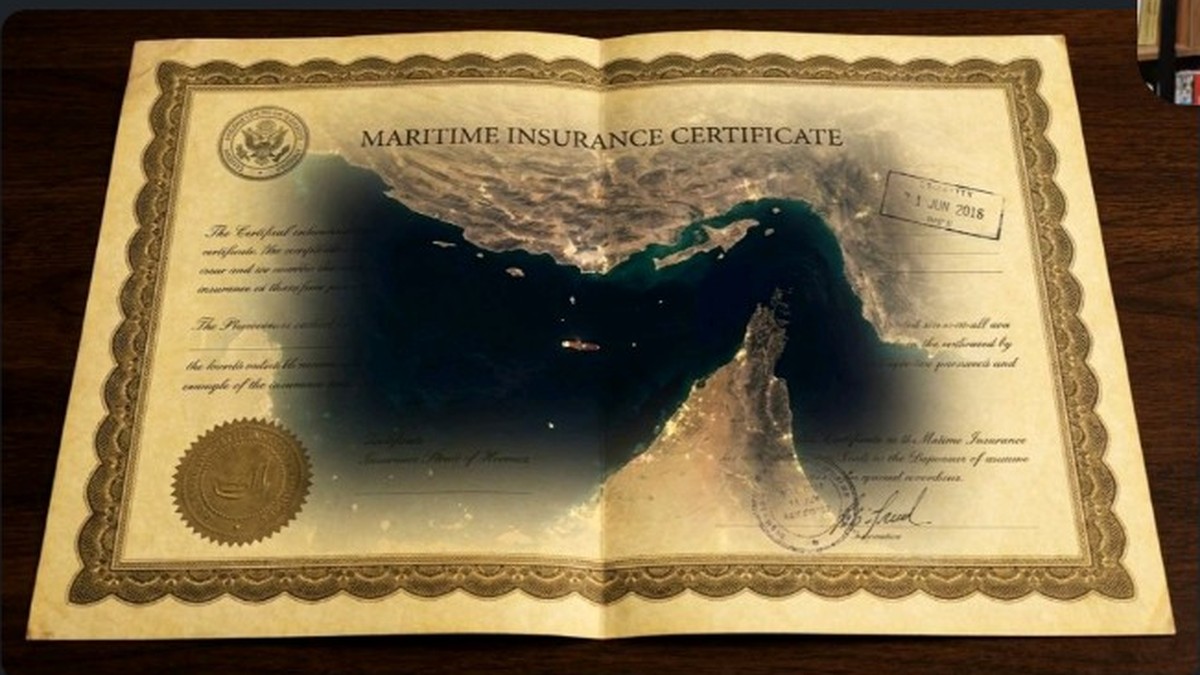

Competing regimes entered valuation, policy wording and institutional procedure.
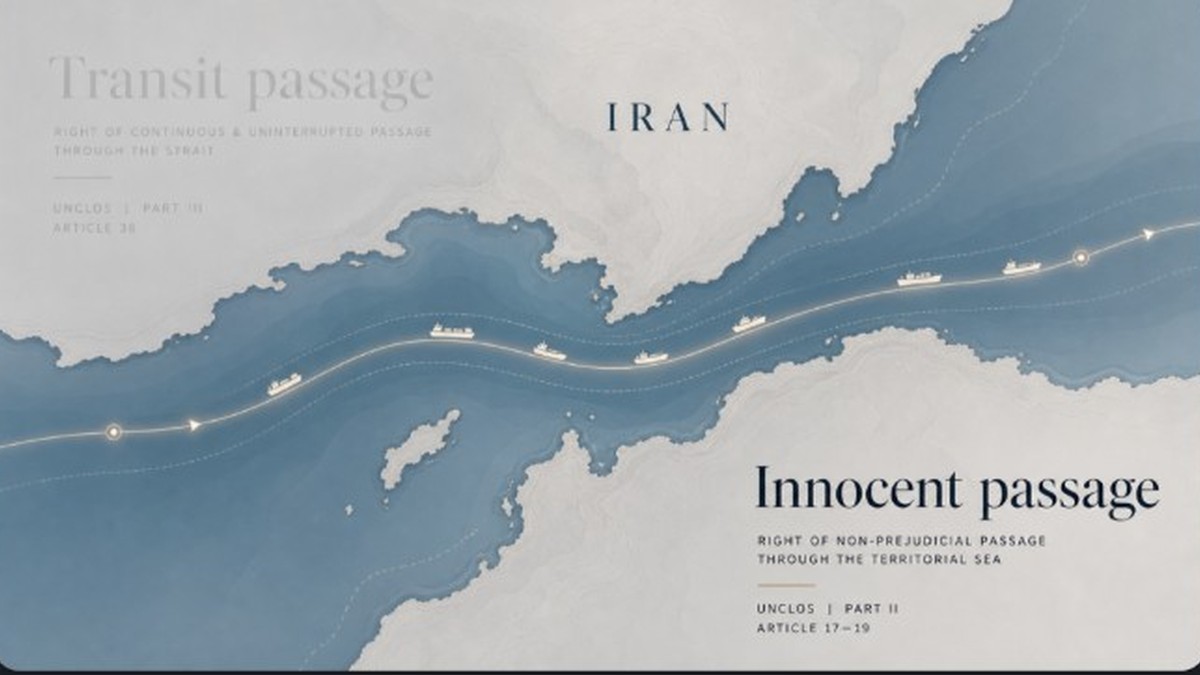
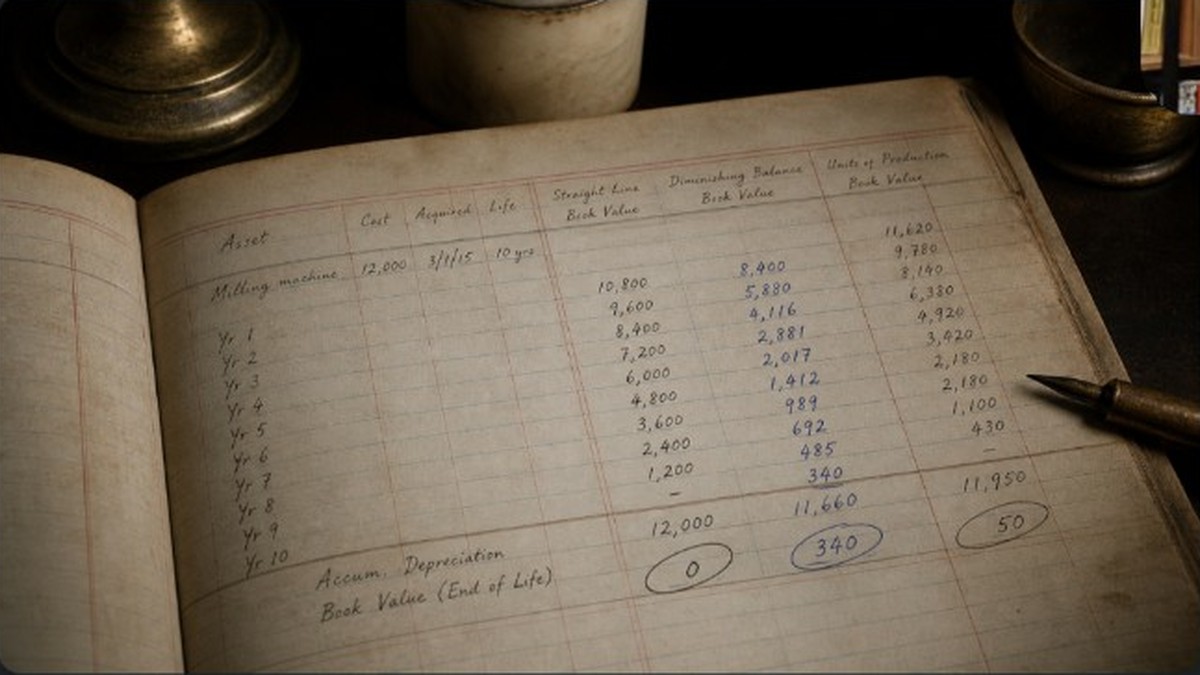

Parallel institutional chains became capable of producing different outcomes for the same vessel.


A chronological record of what each edition added. The cards link to the original public LinkedIn editions where a verified direct permalink is available.
Established the founding distinction between physical reopening and the persistence of a new governance architecture.
Read the edition on LinkedIn ↗Added the economic balance sheet: service charges, revenue capture and the possibility of passage becoming a monetisable sovereign asset.
Read the edition on LinkedIn ↗Placed the developing Hormuz thesis against an external policy proposal and translated the argument into institutional consequences.
Read the edition on LinkedIn ↗Introduced compliance impossibility as a form of institutional power: formal rights can remain while commercial exercise becomes conditional.
Read the edition on LinkedIn ↗Tested how maritime law, insurance and implementation constraints could interact around a changing passage regime.
Read the edition on LinkedIn ↗
Separated traffic normalisation from governance normalisation: volume can recover without restoring the pre-war institutional regime.
Read the edition on LinkedIn ↗
Made Oman and the missing legal signature a decisive variable in whether a new passage architecture could become durable.
Read the edition on LinkedIn ↗
Developed the inversion between formal navigation rights and the commercial institutions capable of making those rights executable.
Read the edition on LinkedIn ↗Separated political announcement, operative instrument and market implementation — a sequencing problem for institutions acting on sovereign change.
Read the edition on LinkedIn ↗
Reconstructed the emerging architecture through Iran, Oman and the United States without treating public wording as the whole operative record.
Read the edition on LinkedIn ↗Moved the argument explicitly from transit passage toward competing legal and institutional conceptions of passage through the Strait.
Read the edition on LinkedIn ↗
Separated Russian and Chinese positions rather than treating them as a single bloc, exposing different interests in the future passage regime.
Read the edition on LinkedIn ↗
Used the Red Sea experience to test whether maritime risk can persist institutionally after the immediate security event changes.
Read the edition on LinkedIn ↗Decomposed the chokepoint into physical dependence, economic rent and strategic leverage rather than treating 'Hormuz risk' as one asset.
Read the edition on LinkedIn ↗Showed sovereign change entering policy wording and institutional procedure: geopolitical risk had become part of the commercial rulebook.
Read the edition on LinkedIn ↗Asked what must become replaceable, recognised and interoperable before exclusion from the incumbent maritime architecture stops terminating a voyage.
Read the edition on LinkedIn ↗Followed sanctions power through banks, insurers, flags and ports and asked what happens when market transmission stops carrying the rule.
Read the edition on LinkedIn ↗Brought the two chains together at Hormuz: the same vessel can receive different institutional answers, making executability the decisive junction.
The archive is useful not because it contains eighteen opinions, but because the questions themselves became more institutional as the system developed.
The archive records how GSSI's assessment developed as the institutional facts changed. It distinguishes what was observable at the time from conclusions available only with hindsight. That distinction matters to investors, transaction parties, insurers and legal teams assessing foreseeability, reliance and institutional response.
The archive demonstrates how GSSI traces sovereign change into financial, contractual and commercial consequences without publishing mandate-level verdicts.
Identify where sovereign change has entered valuation, liquidity, enforceability or exit assumptions across a portfolio.
View the Desk →Test whether political and institutional risks are adequately reflected in structure, documentation, mitigants, triggers and residual uncertainty.
View the Desk →Reconstruct what changed, when it became reasonably knowable and how the contemporaneous evidence bears on decisions, claims or disputes.
View the Desk →GSSI works with institutions whose capital, transactions or claims depend upon decisions made across more than one legal, political or commercial system.